Are you aware of the amount of protein you consume per day? Is it enough? Learn how much protein you need and how to get it.
Proteins are complex nitrogenous organic substances. They play a fundamental role in the structure and function of our body’s cells.
Protein is needed for growth and maintenance of body tissues. It also provides energy, although it is not its main function.
Proteins are composed of amino acids (aa). There are a total of 20 different aa, some of them are essentials which means they can only be obtained through the diet.
Protein requirements
As we’ve seen above, the daily consumption of protein-rich foods is essential for the maintenance of muscle strength.
Protein requirements change according to life stages. In adults, the daily intake recommendation is 0,8-1 grams of protein per kilograms of total body weight. However, there are some situations in which protein requirements are increased. For example, during pregnancy, people who do strength training, in certain diseases, etc.
Sources of protein
Protein can be found in both animal and plant-based food. [service_table title=”Animal sources” title_tag=”h3″ title_background_type=”background_color_type” icon_size=”fa-lg” title_color=”#dd9933″]
- Meat and poultry: pork, beef, lamb, chicken, turkey, etc.
- Fish and seafood: hake, salmon, cod, shrimps, crab, etc.
- Dairy products: milk, yogurt, cheese, kefir, etc.
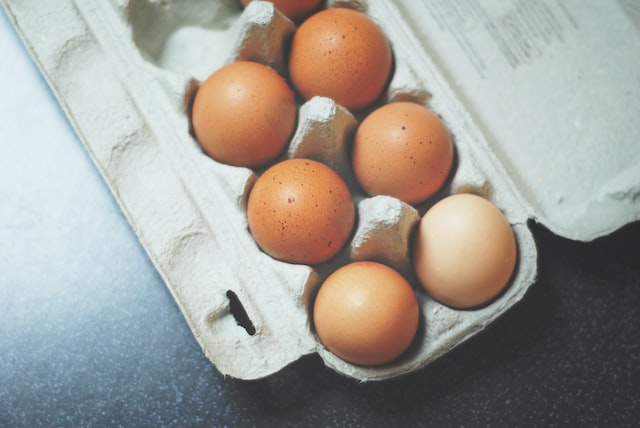
- Eggs
[/service_table][service_table title=”Vegetal sources” title_tag=”h3″ title_background_type=”background_color_type” icon_size=”fa-lg” title_color=”#dd9933″]
- Legumes: chickpeas, lentils, beans, soybean and derivatives (tofu, tempeh, soy milk), etc.
- Nuts and seeds: almonds, walnuts, pistachios, hemps seeds, pumpkin seeds, etc.
- Whole grains and pseudocereals: brown rice, quinoa, amaranth, oats, etc.
[/service_table]
Protein quality
When certain foods have all of the essential aa in their necessary proportions, we can say they have high biological value.
Animal sources of protein are of high quality because of their amino acid profile. Also, they have easy to digest proteins.
Otherwise, most vegetal sources of protein have a limiting amino acid (the essential amino acid that is present in an insufficient amount). For example, the limiting amino acid of beans is methionine while lysine is missing in grains, nuts and seeds.
That being said, it is also true that proteins have the capacity to complement each other. By mixing two foods containing low biological value proteins with a different limiting amino acid, we can achieve all the essential aa. There is no need to mix them in the same meal but on the same day.
Some vegetable sources of protein are also of high biological value. It’s the case of chickpeas, soy and derivatives.
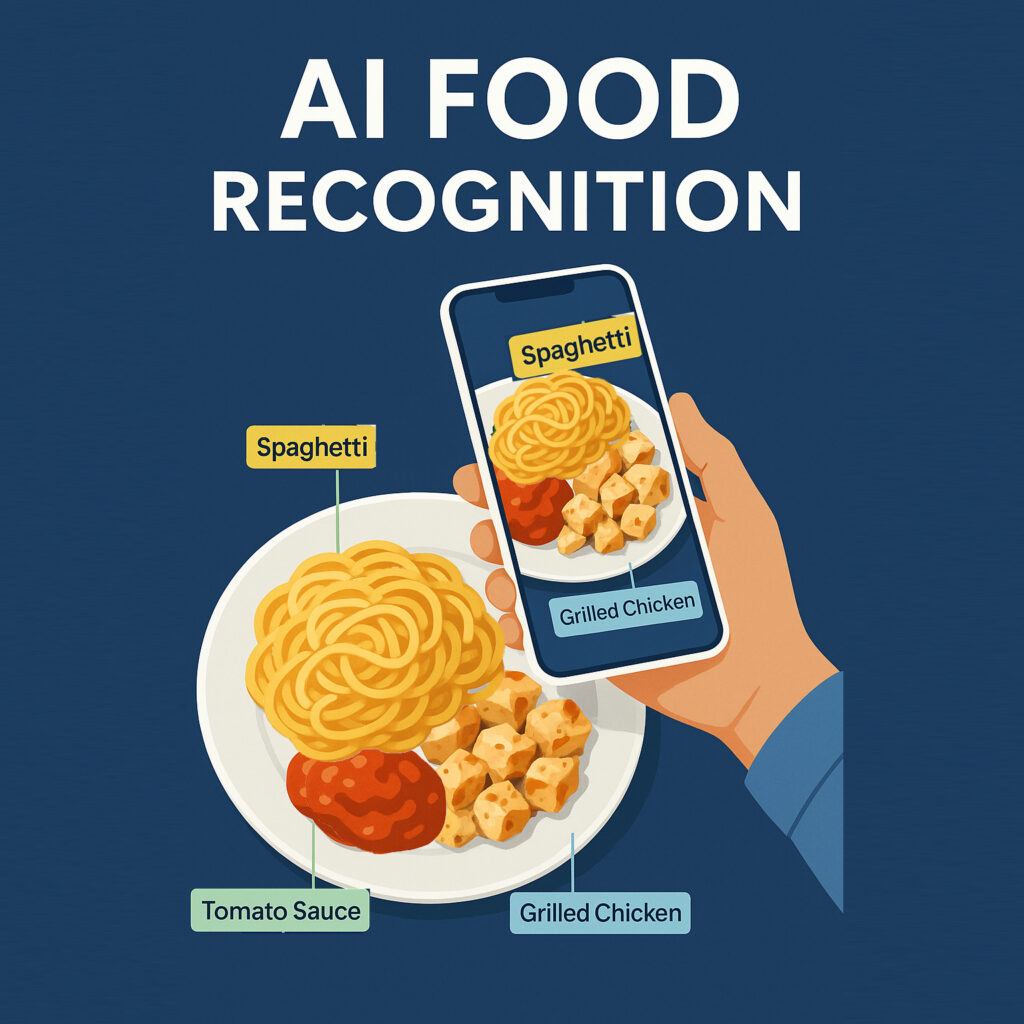
Vegetal protein has a much lower saturated fat content and provides more fiber, minerals and phytochemicals of high nutritional interest. Also, it is more sustainable. Thanks to the LogMeal App, anyone can monitor the amount of protein they consume and compare it with their daily recommendation (that is automatically calculated according to the user’s needs).
Still not logging your food with LogMeal? Start now to be more aware of what you eat and to make more mindful food-related decisions.
Download for free LogMeal APP