
Computer vision that turns meal images into structured food data
LogMeal food recognition technology detects food in an image, separates multiple food regions and returns structured predictions that can be connected to ingredients, nutrition and intake workflows.
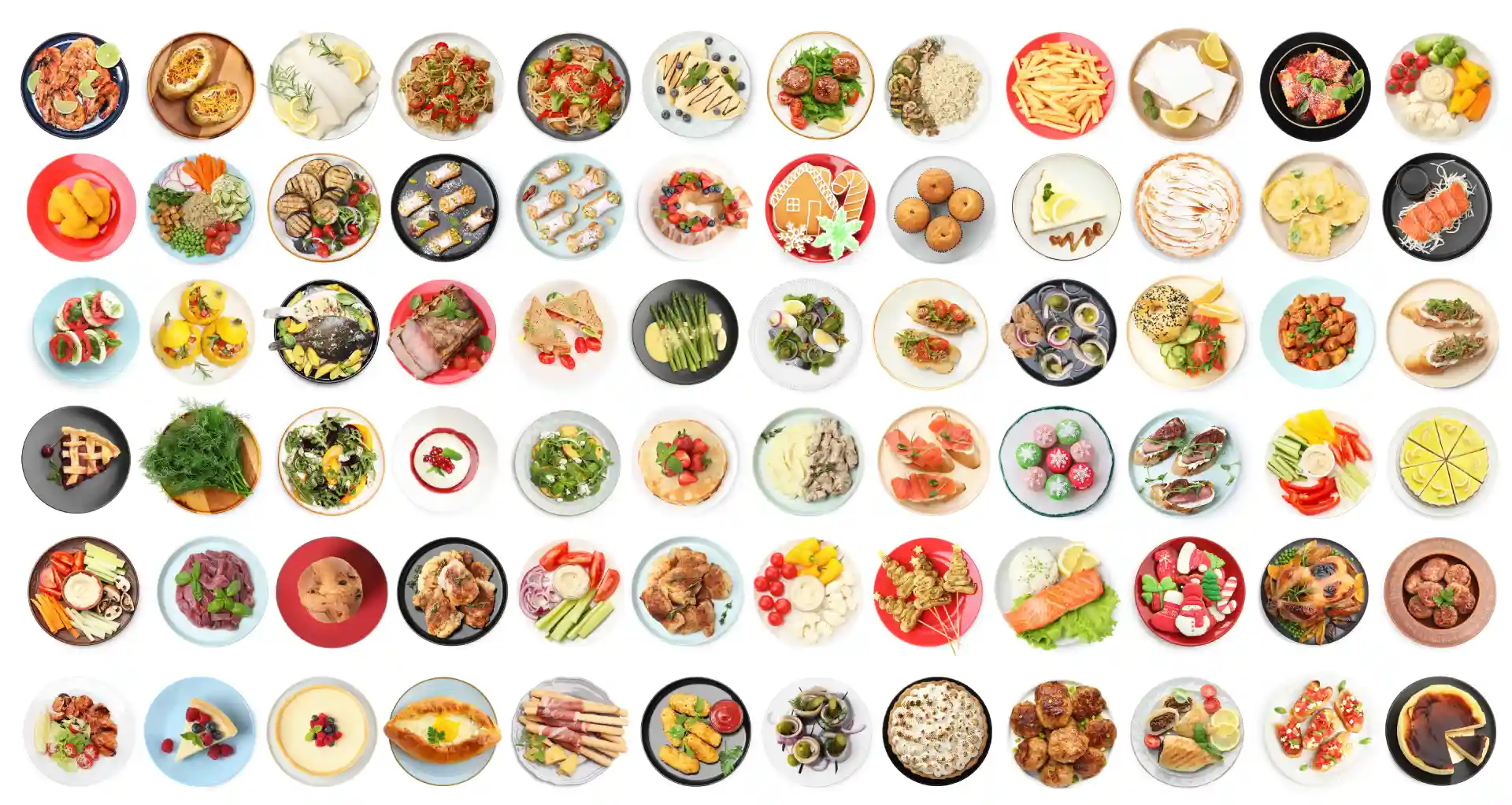
Recognize food at multiple semantic levels*
Food type
Determine whether an image contains prepared food, drinks, fresh fruit or vegetables, sauces or non-food content.
Food group
Classify recognized food into broad categories such as meat, fish, vegetables, bread, dairy, legumes or desserts.
Dish
Return dish-level predictions for supported foods and cuisines.
Ingredients
Retrieve structured ingredients and quantities associated with confirmed dishes.
Nutrition
Retrieve energy, macronutrient and available micronutrient information associated with the confirmed food record.
*Current developer documentation describes food type, food group, dish, ingredient and nutrition outputs.
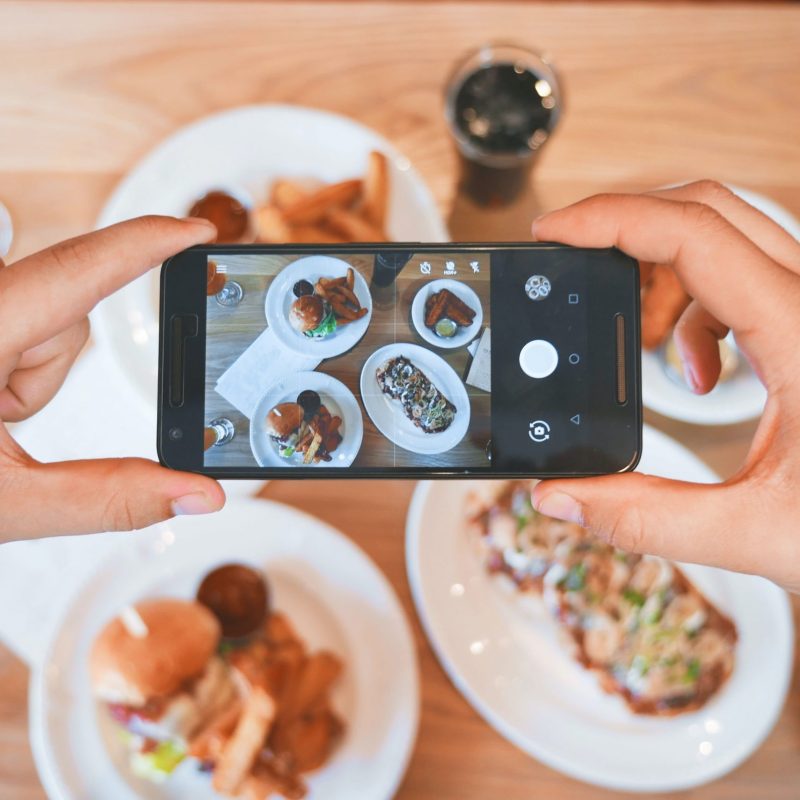
One image can contain several foods
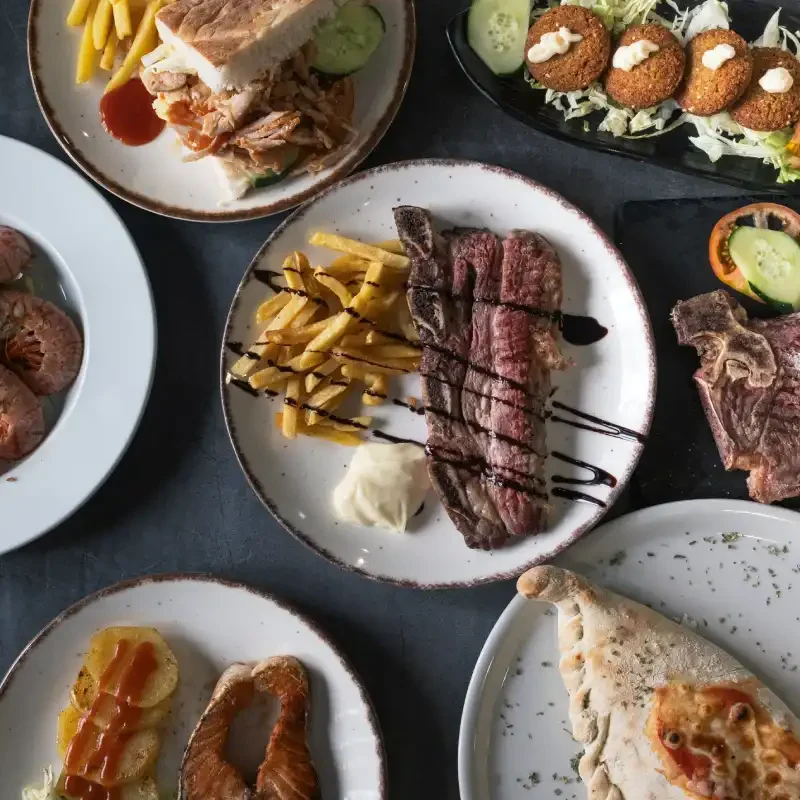
Real meals frequently include more than one food item. LogMeal can analyse an image containing multiple foods and separate it into distinct food regions before returning predictions for each region.
This creates a more practical basis for meal logging because each detected region can be reviewed, confirmed and connected to downstream ingredient and nutrition analysis.
A recognition workflow with user confirmation
1. Submit an image
Send the meal image to the recognition workflow.
2. Detect food regions
Identify the different food items or regions visible in the image.
3. Return dish candidates
Receive the most probable dish or food classes for each detected region.
4. Confirm or refine
Let the user or application confirm the correct result before using it in later calculations.
5. Retrieve ingredients and nutrition
Use the confirmed food record to obtain structured ingredient and nutrition information.
Where food recognition technology is used
Recognition quality depends on the image and the task
Food recognition performance varies with cuisine, image quality, lighting, occlusion, food presentation and the level of semantic detail required.
For workflows where the exact record matters, the interface should allow user or professional confirmation rather than treating the first model prediction as an unquestionable ground truth.
Related LogMeal technology
Food AI Engine
A developer API for turning food images into structured data: recognition, nutrition, quantity estimation, intake monitoring and recommendation workflows.
Tray Recognition AI Engine
An enterprise API for turning meal tray images into structured operational data: food item recognition, portion estimation, intake monitoring, food waste analysis and smart checkout workflows.
Food Recognition APP
A mobile app for capturing meals, reviewing AI results and tracking food and nutrition data.
Food Recognition Kiosk
A facility hardware solution for automated tray recognition, self-checkout and foodservice workflows.
Ready to test LogMeal food recognition?
Try the online demo or start integrating food recognition into your own product.