From Photos to Insights: AI Food Recognition in Nutrition and Food-Tech
AI food recognition is changing the way nutrition, healthcare, and food-tech companies analyze meals. Thanks to advances in computer vision and deep learning, it is now possible to identify food from a simple photo with human-level accuracy. This breakthrough is reshaping industries by making dietary analysis smarter, faster, and more personalized.
At LogMeal, we specialize in AI food recognition—turning everyday food images into structured nutritional data that businesses can leverage. In this article, we’ll explore how the technology works, where it is applied, and why it is becoming a must-have capability in food-tech.
How AI Food Recognition Works
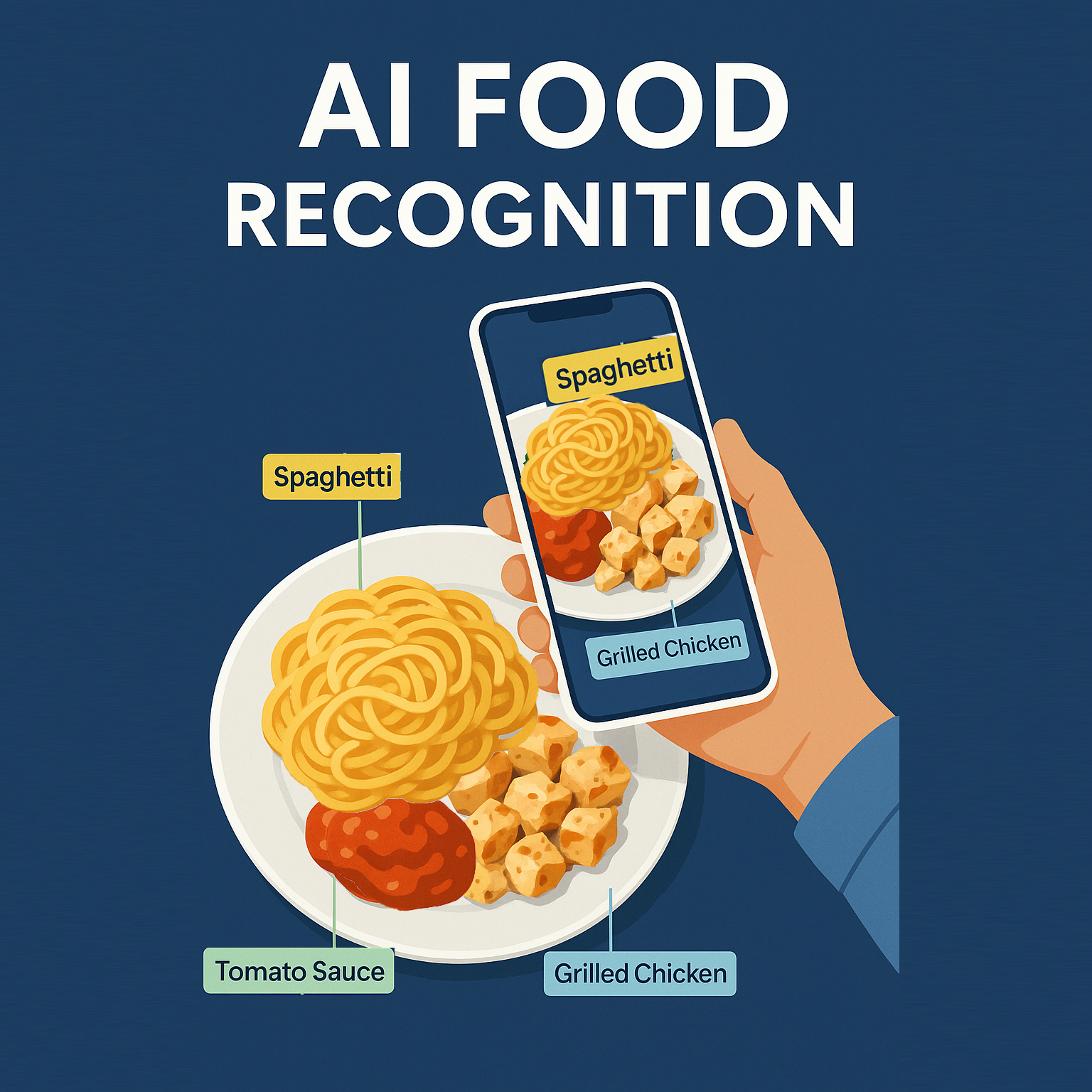
AI food recognition relies on computer vision models trained on millions of food images. When a user uploads a photo, the system:
- Detects food items on the plate
- Classifies each item using deep learning algorithms
- Estimates nutrition such as calories, macronutrients, and portion size
Unlike manual food logging, which is slow and error-prone, this process is automated, scalable, and far more accurate. Businesses can integrate this capability instantly via a food recognition API, avoiding the need to build datasets or models from scratch.
For context, the World Health Organization stresses the global need for better nutrition tracking—a challenge that AI food recognition directly addresses.
Real-World Applications of AI Food Recognition
Nutrition and Wellness Apps
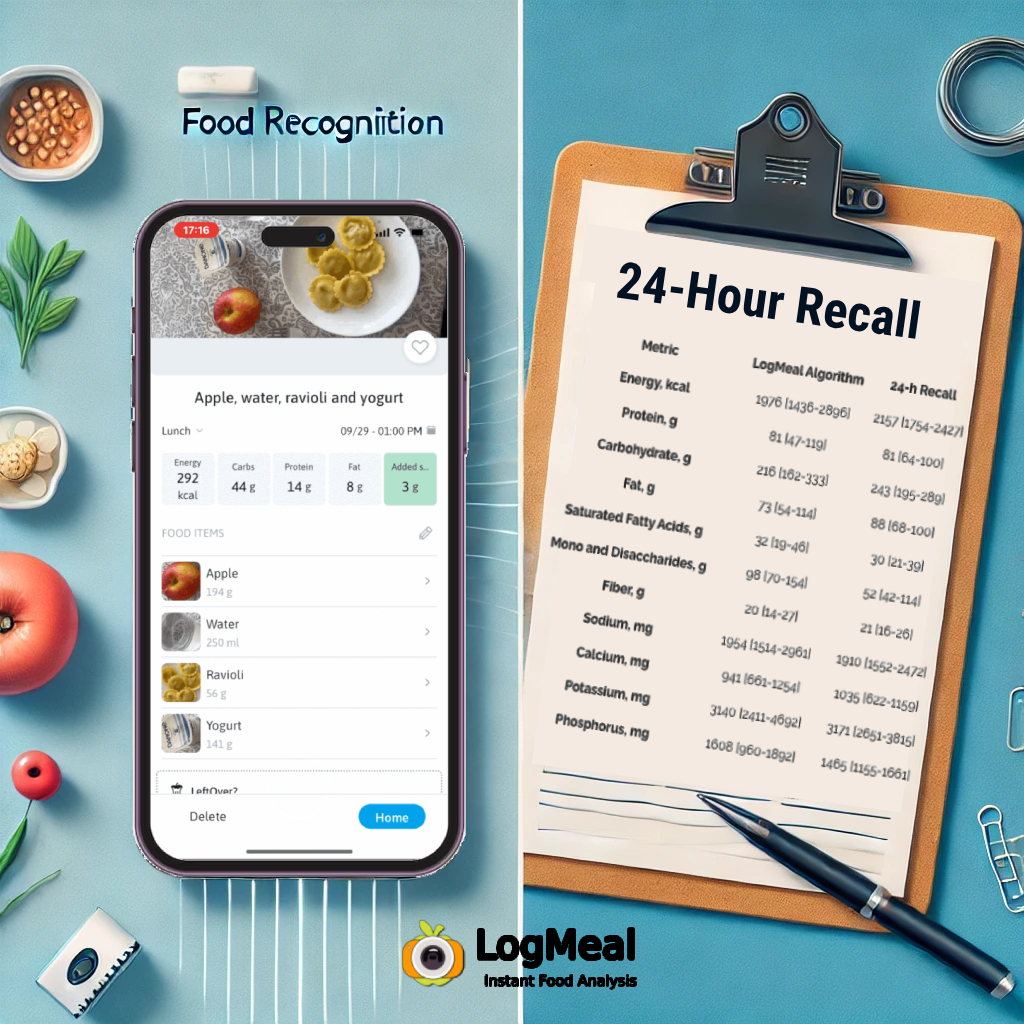
Fitness and diet apps benefit from AI food recognition by eliminating friction in meal tracking. Instead of manually typing foods, users just take a photo, and the app logs calories automatically. This improves engagement and long-term retention.
Healthcare and Hospitals
Hospitals and clinics can monitor patient diets in real time, ensuring compliance with nutrition therapy. AI reduces errors in reporting and provides standardized data that supports treatment and research.
Smart Kitchen and IoT
AI food recognition powers connected devices such as smart fridges and cooking assistants. A fridge could suggest recipes based on what it “sees” inside or alert users about dietary restrictions.
Food Delivery and Retail
Delivery platforms and restaurants use AI food recognition for menu digitization, personalized recommendations, and upselling. Retailers gain insights into consumption trends, helping them manage inventory more effectively.
Hospitality and Catering
Large-scale catering services benefit from automated portion tracking and waste reduction. This optimization reduces costs while also supporting sustainability efforts.
Business Impact of AI Food Recognition
Companies adopting AI food recognition see clear benefits:
- Higher accuracy in nutrition tracking and menu labeling
- Faster time-to-market by using ready-to-integrate APIs
- Better user experience with seamless interactions
- Actionable data insights that drive personalization and efficiency
Whether you are a startup building a wellness app or a global food service provider, AI food recognition helps you innovate and stay competitive.
Why AI Food Recognition Matters Now
The timing is ideal. The adoption of AI is accelerating across healthcare, retail, and consumer apps. Governments and regulators are emphasizing nutrition transparency and labeling accuracy. At the same time, consumers increasingly expect personalized digital services in all aspects of daily life—including food.
AI food recognition is no longer futuristic. It is an essential tool for tomorrow’s nutrition, food delivery, and wellness leaders.
Get Started with LogMeal
At LogMeal, we provide the world’s leading food recognition API, built on one of the largest food image datasets. Our technology powers startups, hospitals, and enterprises looking to transform how people interact with food.